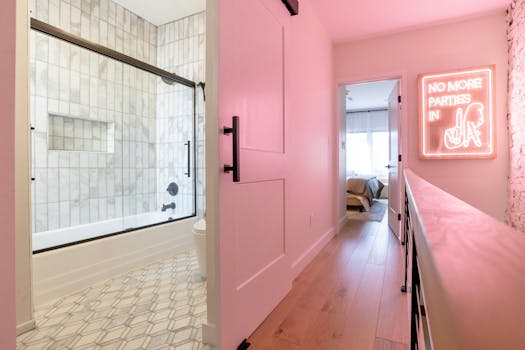

It’s a common misconception that “Ardmore home design” is simply about a particular architectural style or a limited palette of materials. In reality, understanding Ardmore home design requires a deeper dive into its foundational principles, its thoughtful evolution, and the specific contextual factors that shape its unique character. It’s less about a rigid blueprint and more about a philosophy of considered living, blending aesthetic appeal with practical functionality in a way that resonates across generations. This approach has solidified its reputation, not just as visually appealing, but as a sound investment in enduring comfort and style.
The “Why” Behind Ardmore’s Aesthetic Cohesion
Ardmore home design, at its core, isn’t merely about replicating historical motifs. Instead, it’s about capturing a spirit. This spirit often manifests through a deliberate balance of classical proportions and contemporary livability. Think of it as inheriting a rich legacy of architectural intelligence and adapting it for the demands of modern life without sacrificing its inherent grace. This often means a focus on:
Scale and Proportion: Homes designed within the Ardmore vernacular tend to exhibit a strong sense of proportion. Exterior elements, from window sizes to roof pitches, are carefully considered to create a harmonious visual experience. This attention to detail prevents a home from feeling either ostentatious or diminutive, striking a pleasing middle ground.
Material Integrity: There’s a profound respect for material quality inherent in Ardmore home design. Natural materials like stone, brick, and wood are frequently employed, not just for their beauty but for their durability and ability to age gracefully. This commitment to quality materials contributes significantly to the longevity and timeless appeal of these residences.
Integration with Landscape: A truly successful Ardmore home design doesn’t stand apart from its environment; it converses with it. Mature trees, carefully curated gardens, and thoughtful placement of the structure itself all contribute to a sense of belonging. This organic integration is crucial for creating a serene and established feel.
Unpacking the Material Palette: More Than Just Bricks and Mortar
When we discuss the materials common in Ardmore home design, it’s important to look beyond a simple inventory. The selection is driven by a desire for both enduring beauty and practical performance. I’ve often found that the true art lies in how these materials are combined and finished.
The Robustness of Stone and Brick: Classic Ardmore homes often feature substantial stone foundations or full brick exteriors. This isn’t just for aesthetic impact; these materials offer exceptional thermal mass, contributing to stable indoor temperatures year-round, and are incredibly low-maintenance. The way these materials are laid – the mortar joints, the patterns – also plays a significant role in the overall visual texture.
The Warmth of Wood Accents: Wood is typically used judiciously to add warmth and contrast. Think of beautifully crafted window sashes, elegant front doors, or perhaps decorative timber framing elements. The emphasis is often on natural finishes that highlight the wood grain, further enhancing the home’s inherent character.
The Durability of Traditional Roofing: Slate or high-quality asphalt shingles are common choices for roofing. These materials not only provide excellent weather protection but also contribute a refined, classic look that complements the architectural style. Their longevity means less frequent replacement and a more sustainable approach to homeownership.
Functional Adaptations: Evolving for Modern Living
While the aesthetic roots are firmly planted, the most successful Ardmore home designs seamlessly integrate modern functionality. This is where the “deep understanding” truly comes into play. It’s not about sacrificing tradition for modernity, but about enhancing it.
Open-Plan Flow, Respecting Traditional Layouts: Many contemporary interpretations of Ardmore home design have subtly adapted traditional room layouts to accommodate more open-concept living. This might involve removing non-load-bearing walls to connect living and dining areas while still maintaining distinct zones. The goal is to create a sense of spaciousness without losing the defined areas that offer privacy and purpose.
Energy Efficiency and Smart Technologies: Modern Ardmore homes are frequently designed with energy efficiency as a paramount concern. This can include advanced insulation techniques, high-performance windows, and efficient HVAC systems. Furthermore, the integration of smart home technologies is approached thoughtfully, ensuring they enhance convenience without disrupting the home’s classic ambiance.
Kitchens and Bathrooms as Integrated Spaces: The kitchens and bathrooms in well-executed Ardmore-inspired homes are no longer an afterthought. They are designed to be functional hubs that are also aesthetically congruent with the rest of the house. This means incorporating high-quality cabinetry, durable countertops, and state-of-the-art appliances, all within a design scheme that feels cohesive and refined. For example, seeking out custom cabinetry that echoes traditional styles while offering modern storage solutions is a hallmark of thoughtful planning.
Navigating the Nuances: Key Considerations for Ardmore-Inspired Residences
When considering Ardmore home design, whether for a new build or a renovation, several factors warrant careful consideration.
Site Context is Paramount: A home’s success is inextricably linked to its surroundings. Understanding the specific topography, views, and existing architectural vernacular of the Ardmore area is crucial. A design that might feel appropriate in one neighborhood could feel entirely out of place in another.
The Art of the Entrance: The entry sequence to an Ardmore home is often a focal point. This includes the pathway, the porch or portico, and the front door itself. These elements are designed to create a welcoming and impressive first impression, setting the tone for the entire residence.
Interior Detailing Matters: Beyond the broad strokes of layout and materials, the finer details of interior design – molding profiles, trim work, hardware selection, and lighting fixtures – play a pivotal role in achieving an authentic Ardmore feel. These elements, often overlooked, are what truly elevate a house into a home with character.
Beyond the Trend: The Enduring Value of Ardmore Home Design
Ardmore home design offers a compelling proposition: the enduring beauty and quality of traditional architecture, thoughtfully adapted for the realities of contemporary living. It’s a style that speaks to permanence, comfort, and a sophisticated appreciation for craftsmanship.
Final Thoughts: Embrace the Spirit, Not Just the Style
In conclusion, if you’re drawn to Ardmore home design, look beyond the superficial elements. Focus on understanding the underlying philosophy of proportion, material integrity, and thoughtful integration. When planning your own projects, prioritize quality craftsmanship and site-specific sensitivity. This holistic approach will ensure your home not only looks exceptional but also lives beautifully for years to come.


